
NHS Dentistry Work Experience: (NHS Dentist Work Experience) Future Dentist Looking for NHS Dentistry Work Experience?

Updated: Mar 3
Message from the Founder -> "Welcome! I’m Dr. Bakhtar Ahmad, founder of The Medic Life and a practising UK doctor. In this guide, I’ll walk you through everything you need to know about NHS Dentistry Work Experience opportunities at The Medic Life!
Yes, our own students at The Medic Life enrolled in the FREE Dentistry Work Experience Programme are gaining work experience in an NHS setting right now, getting ahead of competiton!"
Dr. Bakhtar Expert TIP: "Work experience in an NHS setting is critical for any aspiring dentist. UK dental schools expect applicants to understand dentistry and dental best practices in action, and they value quality reflections from experience over just logging hours."
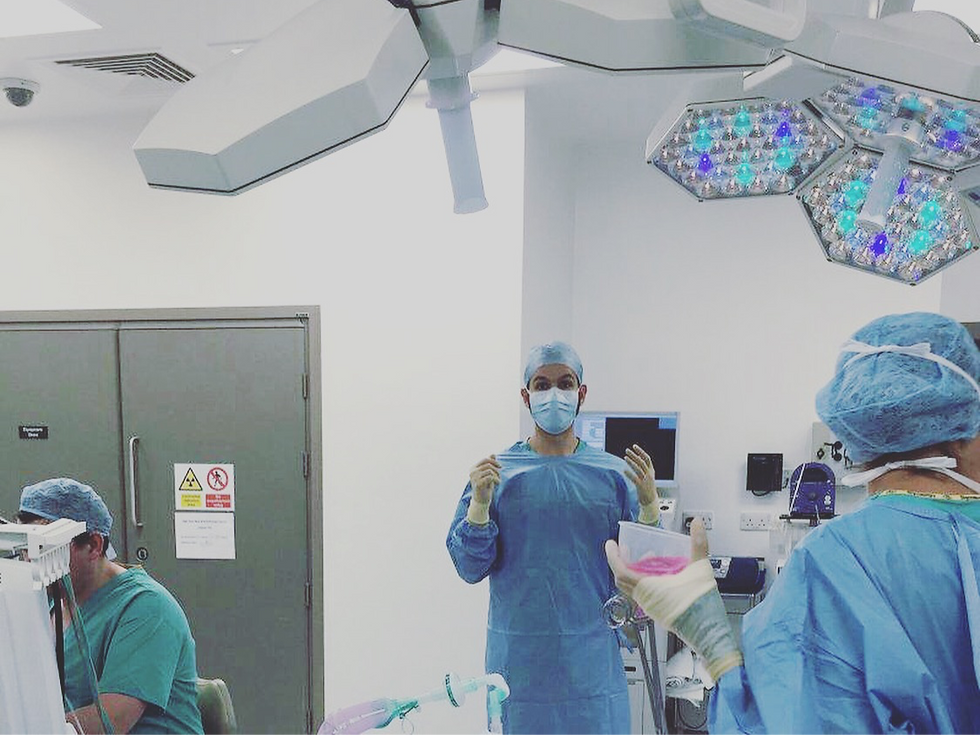
NHS Dentistry Work Experience: You’ll shadow NHS dentists!
NHS dental work experience involves observing real practice in a clinic or hospital for a few days. Placements typically run 3–5 days (sometimes up to 10). You’ll shadow NHS dentists and dental teams to see treatments (like check-ups and fillings) and learn about clinic operations. Before starting, trusts provide a brief induction (covering health & safety and confidentiality). You will not perform any clinical tasks – your mentor handles patient care – and you must never share patient details (all personal information is strictly confidential).
NHS Dentistry Work Experience: Key ways to gain NHS dental experience
NHS Dentistry Work Experience: Shadowing (in-person)
Arrange a short placement (3–5 days) at a local NHS dental practice or hospital dental unit. You’ll observe daily dentistry – watching dentists, nurses and hygienists work together. For example, see how they conduct check-ups, apply fillings or crowns, and manage infection control.
Free NHS Dentistry Work Experience: Virtual/Online
Use NHS-supported digital programs. National schemes like Dental Mentor’s free Virtual Work Experience (developed with an NHS dental hospital) provide immersive online placements. These are now accepted by dental schools and cover multiple dental specialties. Also consider free courses (e.g. the University of Sheffield’s “Discover Dentistry” MOOC) or The Medic Life’s own free online dentistry experience, which many applicants use as evidence of insight.
NHS Dentistry Work Experience: Volunteering
Any caring role builds relevant skills. Volunteering in a care home, hospice, hospital or charity (e.g. assisting patients or supporting a community clinic) develops communication and empathy. Dental Schools Council notes that non-dental healthcare roles (like pharmacy or care assistant work) also count as valuable experience.
NHS Dentistry Work Experience: Paid customer-facing jobs
Positions in retail or hospitality show teamwork, responsibility and people skills. While not clinical, these roles demonstrate the interpersonal qualities dental schools look for.
NHS Dentistry Work Experience: How to secure a placement?
Start local
Prepare a short CV/cover letter highlighting your interest in dentistry and any relevant experience. Email or drop in at local NHS practices or dental departments. Be polite and persistent – practices are busy, so if you don’t hear back, follow up or try another practice. Some practices may ask you to show the official NHS Dental Work Experience Toolkit (a guide jointly created with Dental Schools Council) to outline what to expect.
Use NHS programs Check your local NHS Trust’s career site for “dental work experience” or summer programs. Many trusts run formal schemes for students 14–18. For example, some allow 16+ year-olds to do clinical shadowing, while younger students (14–15) may do admin or tour-based placements. Book early (placements fill fast, especially over school breaks) and aim for 3–5 consecutive days to gain a meaningful experience.
Timing
Align your placement with school holidays or half-terms. Trusts often advertise opportunities at these times. Some NHS career services open windows for applications in spring for summer placements – keep an eye on those announcements.
Preparation Dress smartly (practical clothing or scrubs) and arrive on time. During placement, ask the dentist or nurse to explain what they’re doing whenever appropriate. Taking a small notepad is useful for jotting down observations.
NHS Dentistry Work Experience: What to focus on during your placement?
Dental team roles: Notice how the dentist works with dental nurses, hygienists, therapists and reception staff. Understanding each person’s role helps you see how a practice runs smoothly.
Patient interaction: Watch how dentists communicate with patients – how they explain procedures, reassure nervous patients and obtain consent. Good examples of communication and empathy are exactly what admissions tutors like to hear about.
Professionalism: Observe infection control (hand-washing, PPE), clinic etiquette, and how staff maintain patient confidentiality. Remember not to share any patient names or details outside the clinic. Seeing these standards in action helps you appreciate the importance of ethics and respect in dentistry.
Reflection: Write a brief diary of what you saw each day. Note the skills you observed and any patient-care examples. Dental schools encourage “reflection” on experiences, so these notes will be invaluable when writing personal statements or answering interview questions.
NHS Dentistry Work Experience: The Medic Life dentistry work experience programme
The Medic Life offers a free NHS-aligned dentistry programme to support students. This includes online modules and workshops (e.g. a full-day workshop at King’s College London) where dentists explain their jobs and advise how to reflect on your placement.
Attending these events (in-person or online) helps you prepare and shows admissions tutors your commitment. After placements, The Medic Life provides mentors and reflection guides to help you translate your experience into strong applications. All of this support is provided free, so every aspiring dentist can benefit.

Comments