
Work Experience in Dental Practice - Work Experience in a Dental Practice

Updated: Feb 28
Message from the Founder -> "Welcome! I’m Dr. Bakhtar Ahmad, founder of The Medic Life and a practising UK doctor. In this guide, I’ll walk you through everything you need to know about Work Experience in Dental Practice - Work Experience in a Dental Practice opportunities at The Medic Life & more.
Yes, our own students at The Medic Life enrolled in the FREE Dentistry Work Experience Programme are gaining work experience in a dental practice right now, getting ahead of competiton!"
Dr. Bakhtar Expert TIP: "Work experience in a dental practice is critical for any aspiring dentist. UK dental schools expect applicants to understand dentistry and dental best practices in action, and they value quality reflections from experience over just logging hours."
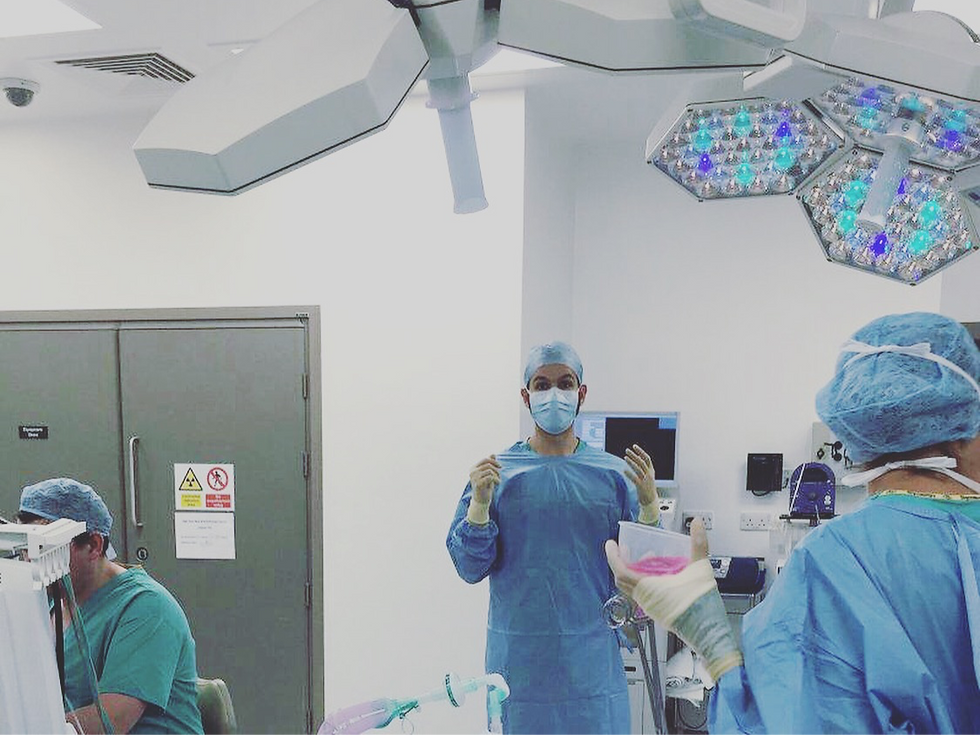
Work Experience in Dental Practice: What You Should Know About Work Experience in a Dental Practice?
Aspiring dentists should gain work experience in a dental practice to see the profession firsthand. Placements (typically 3–5 days or longer) let you shadow dentists, hygienists and receptionists and observe routine check-ups, fillings, crowns and even minor oral surgery.
By shadowing NHS or private clinics, you see how dentists communicate with patients and manage a dental team. This hands-on insight helps confirm if dentistry suits you – after all, it “is an opportunity…to understand the demands of the career”.
Work Experience in Dental Practice -> Shadow dentists and teams
See general practice on a busy day: watching check-ups, fillings and cleanings gives a realistic view of day-to-day dentistry. Also visit hospital or specialist clinics (e.g. orthodontics, pediatric or oral surgery units) to observe advanced cases. Even a short 2–5 day placement can be valuable if you stay attentive and reflective.
Work Experience in Dental Practice: Learn diverse roles
In practice you’ll witness every role: dentists at work, nurses prepping equipment, hygienists cleaning, and reception staff booking patients. You may also see dental lab work (technicians making crowns and dentures) to learn the behind the scenes of dentistry. This variety confirms how many skills dentists use beyond “fixing teeth” – from patient care to infection control.
Key skills gained at your Work Experience in Dental Practice
Work experience builds communication and empathy (learning how dentists explain treatment and calm anxious patients), manual dexterity (observing fine motor skills), teamwork (seeing the dentist nurse partnership), and professionalism (maintaining confidentiality at all times).
The Dental Schools Council notes that any public-facing role (like care home or charity work) also helps develop these interpersonal skills. In short, shadowing confirms the reality of dentistry and helps you decide if it’s right for you.
How to get and prepare for placements
Apply early and be persistent for Work Experience in Dental Practice
Contact local dental practices or hospitals months in advance. Prepare a brief CV/cover letter stating your interest, then email or drop it off in person. Many practices book 1–5 day shadowing for students over 16. Follow up politely (some will say yes on second ask) and don’t give up after a few rejections. If one practice says no, try another, even in neighbouring towns. A bit of travel is worth gaining experience.
Dress and act professionally at the Work Experience in Dental Practice
Wear smart, plain attire (dark scrubs or smart clothes without flashy jewelry) when shadowing. Arrive punctually, introduce yourself to the dentist and staff, and ask permission before entering treatment areas. Always maintain patient confidentiality – never share any personal details you see. Carry a notebook to jot down what you learn each day.
Work Experience in Dental Practice -> Make the most of each day
Ask to watch different procedures (e.g. check-ups, fillings, crowns, orthodontics) and team members (dentists, nurses, hygienists). Note how dentists reassure patients and explain care plans – admissions tutors will expect you to describe these experiences. At the end of each day, write a brief reflection on new skills or insights (personal statements often benefit from describing how work experience “opened [your] eyes to the world of dentistry”). This habit of reflection is exactly what dental schools value.
Beyond clinics, alternative experiences also count. If you can’t get a placement, volunteer in a healthcare setting (e.g. care homes, community health centers or St John Ambulance). The Dental Schools Council stresses that any role demonstrating teamwork, empathy and communication is valuable. Working with children, the elderly or in community services shows caring skills that dental schools love.
Even The Medic Life recommends visiting dental labs or volunteering in hospitals as great backup plans. Remember, quality of insight matters more than hours – a few well-chosen days with deep reflection can beat a long but passive stint.
Work Experience in Dental Practice: About The Medic Life Work Dentistry Experience Programme
The Medic Life runs free dentistry work experience programmes to support students. Our NHS-backed online dentistry program (for age 14+) and free one-day workshops let you learn from dentists across specialities. These events (live or online) explain what dentists do and how to reflect on placements. They’re free to attend and also great for networking with professionals and peers. Participants get guidance on finding placements and using their experiences on personal statements.
In short, The Medic Life provides expert support - from CV checklists to reflection journals - so every aspiring dentist can easily “LIVE THE MEDIC LIFE”!

Comments