
Volunteering for Dentistry: Dental Volunteering - Become a Dentist Volunteer

Updated: Mar 3
Message from the Founder -> "Welcome! I’m Dr. Bakhtar Ahmad, founder of The Medic Life and a practising UK doctor. In this guide, I’ll walk you through everything you need to know about Volunteering for Dentistry at The Medic Life & other options!
Yes, our own students at The Medic Life enrolled in the FREE Dentistry Work Experience Programme are volunteering in a dental clinic right now, getting ahead of competiton!"
Dr. Bakhtar Expert TIP: "Volunteering is critical for any aspiring dentist. UK dental schools expect applicants to understand dentistry and dental best practices in action, and they value quality reflections from experience over just logging hours."
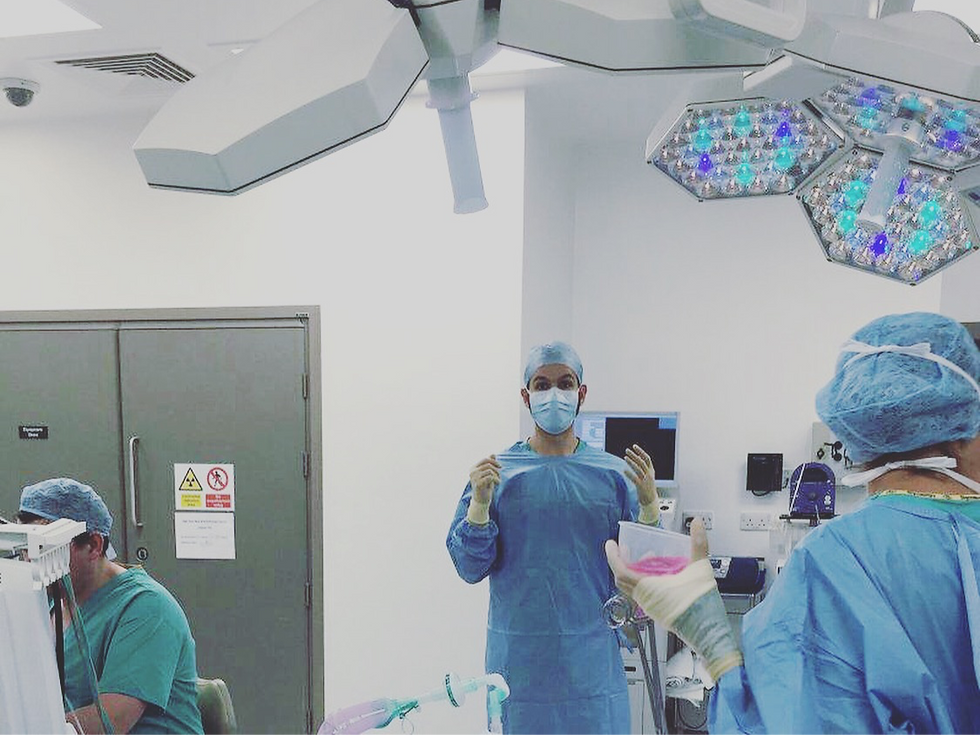
Volunteering in dentistry is a win-win: you gain real patient-care experience and underserved communities get free help. Dental charities (like Dentaid) run free clinics for the homeless, refugees and vulnerable groups. School programs (BrightBites by Dentaid, Teeth Matters or King’s SMILE Society) send volunteers with giant toothbrushes to teach kids about brushing and mouthcare.
Internationally, many UK dental teams join mission trips. For example, Global Dental Relief and International Medical Relief organize short-term missions (to Cambodia, Guatemala, India, etc.) where dental volunteers provide free exams, fillings, extractions and education to children and adults.
Non-clinical roles also count: you can assist with sterilizing instruments, record keeping or community outreach (useful for understanding clinic workflow). In all these settings, volunteers help patients directly and witness how dental teams work.
Key Areas for Dental Volunteering
Community Dental Clinics (UK): Participate in local mobile clinics or charity dental events. For instance, Dentaid runs mobile units treating homeless people and others in need. Volunteering in these clinics (e.g. checking for urgent toothaches) helps reduce suffering and shows you dentistry’s impact on public health.
School Oral Health Programs: Educate children in schools and community centers. Charities like Dentaid’s BrightBites, Teeth Matters (Surrey/London) and KCL’s SMILE Society send dental volunteers to give fun talks on brushing, diets and dental hygiene. These programs promote long-term oral health in young kids while giving you experience communicating dental advice in an engaging way.
Mission Trips (Overseas): Join a dental relief mission. Organizations such as Global Dental Relief and International Medical Relief send UK volunteers abroad (e.g. Cambodia, Guatemala, Malawi) to set up temporary clinics for underserved communities. You work alongside local dentists treating patients of all ages – a powerful way to build clinical and cultural experience.
Health-Focused Charities: Volunteer with general health charities that serve vulnerable groups (homeless shelters, care homes, disability support). Though not always dental-specific, these roles develop communication and empathy. Dental schools value caring for diverse patients in any context.
Professional Outreach: Licensed professionals can also volunteer. Programs like Dentaid’s overseas trips let UK dentists and nurses use their skills internationally. Non-dental health missionaries or medical camps often welcome dental support.
Volunteering for Dentistry: Benefits and Tips
For Students: Focus on meaningful experiences over hours. Admissions look for empathy and commitment – volunteering with real patients (even in non-dental roles) demonstrates both. Use the NHS Dental Toolkit or work-experience maps to find vetted opportunities. Keep a record of your experiences; reflecting on what you learned is as important as the volunteering itself.
What to look for: Choose roles with patient interaction or direct oral health impact. Co-ordinate with reputable organizations (e.g. Dentaid, Dental Wellness Trust, Smileawi) to ensure safe, impactful placements. Consider diverse settings - a mix of local outreach and (if possible) international missions gives a broad view of dentistry.
Quality over Quantity: Consistency matters. Long-term or repeat volunteering (e.g. monthly charity clinics) is more valuable than many one-off tasks. Admissions and recruiters note sustained effort caring for others.
Free Volunteering for Dentistry: Organisations to Consider
Dentaid (UK): Mobile dental clinics and BrightBites oral-education programs (UK & overseas).
Teeth Matters (Surrey/London): School-based oral health education by dental volunteers.
SMILE Society (King’s College London): Volunteer dental students educate London schoolchildren on dental care.
Global Dental Relief (International): Overseas missions providing free dental care to children in schools.

Comments